Helsinki BetterCare meeting urges stronger action to protect informal caregivers and improve safety in home care across Europe
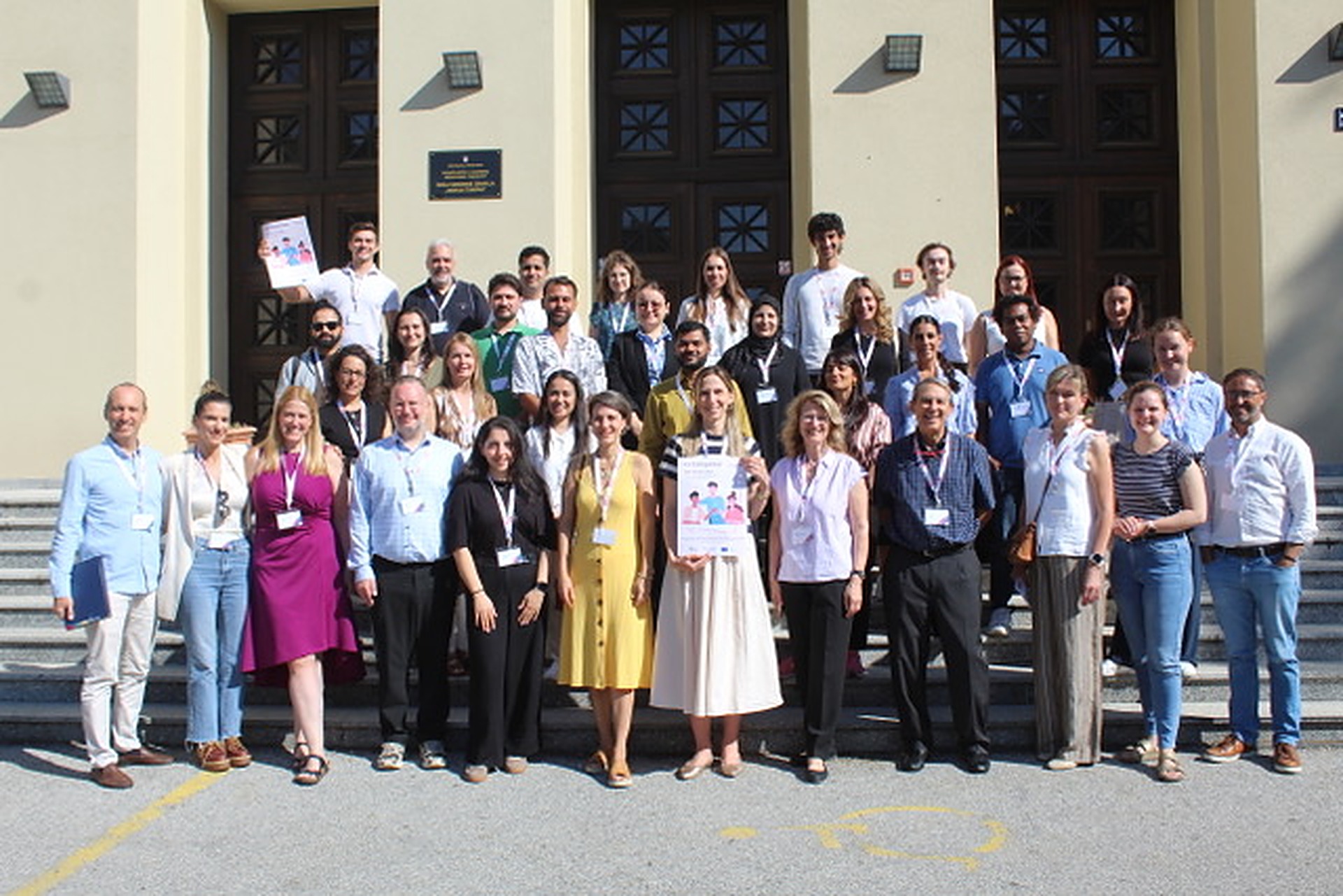
Experts from 14 countries have called for urgent action to improve the safety of care delivered at home and to give greater recognition and support to informal caregivers across Europe. The meeting in Helsinki brought together 24 participants from public and private institutions, ministries, national agencies, and collaborative networks across Europe. Its central message was clear: home care must be recognised as a care setting in its own right – with specific risks, support needs, and safety requirements 🏡
One of the main concerns was that Europe faces a clear safety gap between hospital and care at home. Participants stressed that hospitals operate with structured safety protocols, while home care often depends on fragmented information, unclear responsibilities, and family members who are left to manage complex tasks with limited support. Another strong concern raised in Helsinki was that no participant country reported having a clear system for reporting concerns or escalating risks in home settings, even though medication management, symptom monitoring, and care transitions are increasingly taking place at home ⚠️
The meeting also highlighted the growing burden placed on informal caregivers and the need to treat caregiver strain as a patient safety issue. Participants discussed the emerging problem of double victimization, in which a preventable incident at home affects not only the care recipient but also the caregiver, who may experience guilt, distress, loss of confidence, and difficulty continuing care. Early warning signs identified in Helsinki included withdrawal from services, fear of making mistakes, avoidance of professionals, and decline in self-care 🤝
Among the practical responses discussed was the idea of a crisis card for informal caregivers, designed to provide access to urgent support when needed. This would give caregivers access to a defined number of urgent support contacts or interventions each year when a serious incident, acute care crisis, or emotional overload threatens the safety and continuity of care at home. Participants also pointed to the need for simple but effective measures such as named contact points, structured discharge protocols, and practical online training, alongside checklists, teach-back methods, and regular follow-up 💡
Building on the discussions in Helsinki, participants agreed that recognising informal caregiving as a patient safety issue must be followed by concrete system‐level action. Priorities include clear escalation pathways for risks arising at home, better integration of informal caregiving into existing safety frameworks, and practical tools such as structured discharge checks, named contact points, and crisis support for caregivers.
Across the discussions, a strong person‐centred perspective was evident, with safety understood as emerging from the alignment between individual needs, caregiver capacity, everyday living contexts, and system support. Together, these steps were seen as essential to closing the safety gap between hospital and home care and to ensuring that families are no longer relied upon as an invisible safety buffer without adequate support.
The Helsinki meeting, co-funded by COST Association and LAB University of Applied Sciences, concluded with a shared call to make informal caregiving more visible in policy and strengthen the integration of health and social care. The overall message was direct: Europe cannot continue to rely on families as a hidden pillar of care without giving them the tools, protection, and support needed to provide safe care at home 🌍