🌍 Celebrating Our Short-Term Scientific Missions (STSMs) 2024
The Short-Term Scientific Missions (STSMs) are a key element of the BetterCare Project, designed to promote collaborative research, knowledge exchange, and meaningful connections across partner institutions 🤝📚.
✨ In 2024, we proudly awarded 9 STSM grants, supporting researchers in their international mobility and enabling them to contribute directly to BetterCare’s mission of strengthening support for informal caregivers and improving home care safety.
Throughout the year, STSM participants engaged in inspiring collaborative work across institutions and countries, turning ideas into shared learning and impactful research 🌐💡.
⭐ Highlights & Shared Experiences
Several participants have shared their STSM experiences and stories, showcasing how these missions helped advance research, build lasting collaborations, and reinforce our shared commitment to safer, more inclusive home care 🏠✨.
These STSMs are a true celebration of collaboration, learning, and impact — and a reminder of how much we can achieve together 🚀🌱.
👩🔬👨🔬 Our STSM Community in 2024
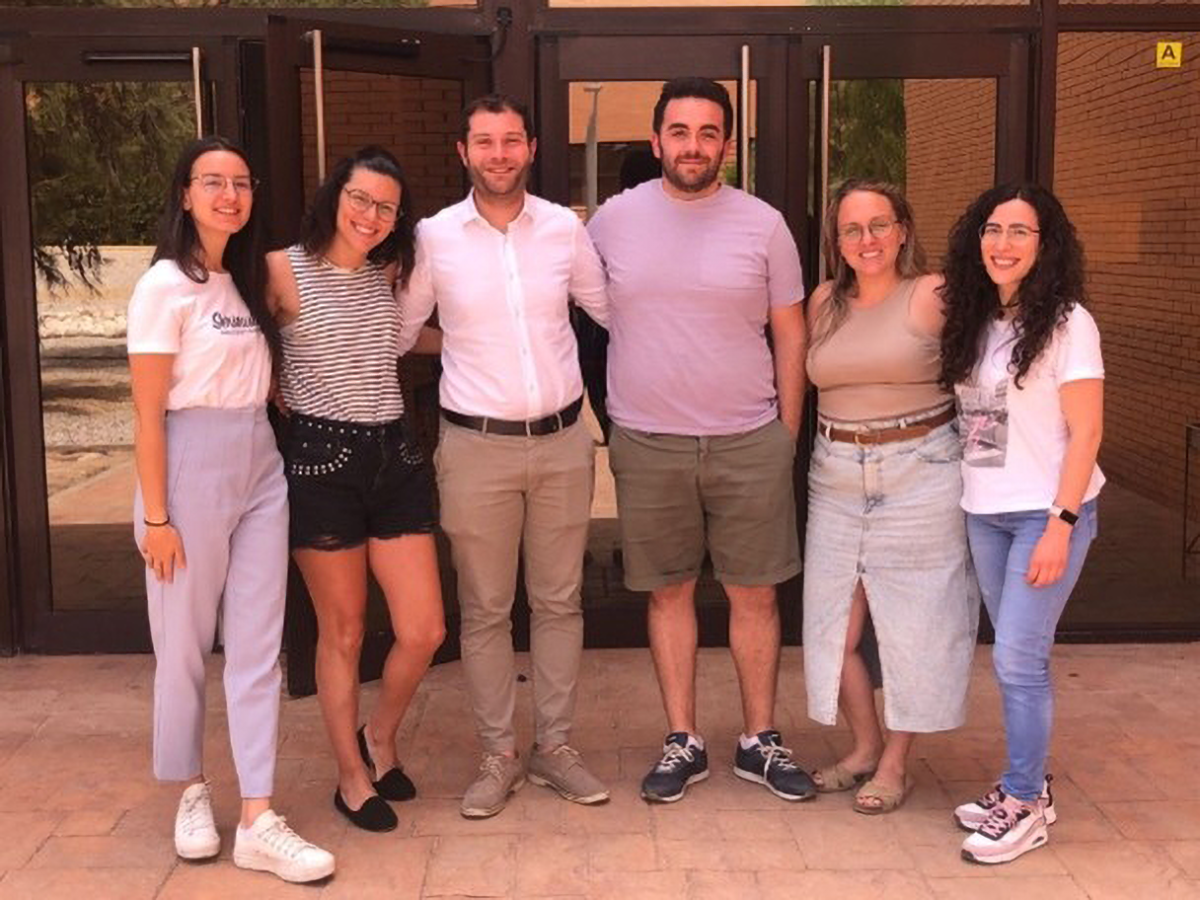
The 2024 STSMs brought together a fantastic group of researchers:
Marina Odalovic, Andrea Conti, Minna Tiainen, Birute Mockeviciene, Sinan Aydogan, Zeynep Ozer, Selma Turan, and Aleksandra Petrovski.
We warmly thank all participants for their enthusiasm, dedication, and valuable contributions 💙. Their work not only strengthened international collaboration within BetterCare, but also made a real difference in advancing research aimed at supporting informal caregivers.
Aleksandar Petrovski
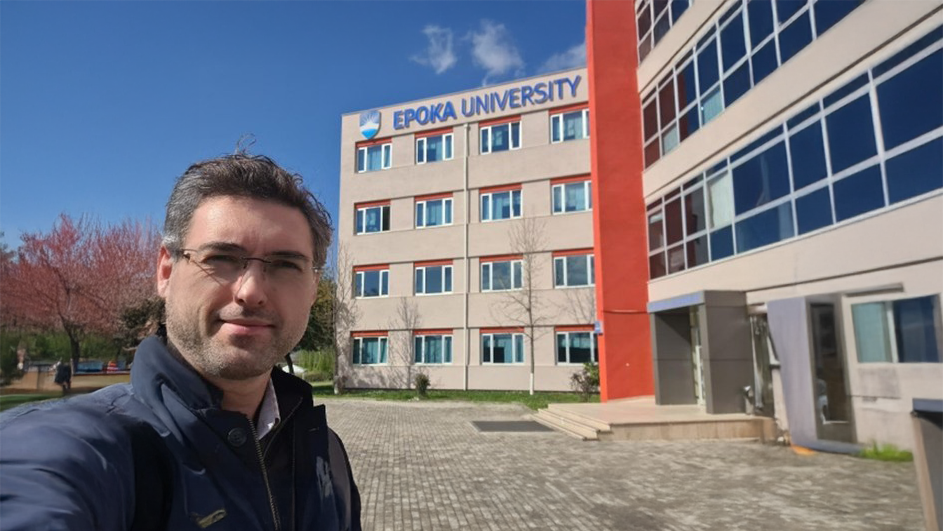
Aleksandar Petrovski, from the Faculty of Architecture in Skopje, brings extensive expertise in sustainable building design and healthy indoor environments. His background bridges architecture with user-oriented living conditions, making his contribution particularly relevant to home-care settings.
During his Short-Term Scientific Mission (STSM) within the CA22152 project, he examined the opportunities and limitations of digital technologies in home care. He also explored how older adults perceive and adopt digital tools and home modifications designed to support ageing in place.
His work provided valuable clarity to the project’s understanding of digital transformation in domestic care environments, helping the network refine its direction in the field of technology-enabled home support.
Andrea Conti

Andrea Conti, PhD candidate at Università del Piemonte Orientale and Research Fellow at CRIMEDIM, works in patient safety, second victim research, and lifestyle medicine. His academic trajectory blends clinical safety with public health and behavioural approaches.
During his STSM at Universidad Miguel Hernández, he helped advance the “safe care at home” initiative by developing a multidisciplinary methodology for evidence review. He also facilitated exchanges on how informal caregiving unfolds in Italy and Spain, enriching the comparative dimension of the project.
His visit stimulated productive dialogue on methodological rigor and cross-country caregiving practices, laying the ground for upcoming collaborative work within CA22152.
Sinan Aydogan

Sinan Aydogan, Assistant Professor at Mehmet Akif Ersoy University, specialises in nursing, pressure injury prevention, and educational innovation for healthcare professionals. His scholarship combines clinical depth with strong pedagogical orientation.
His STSM, titled “Empowering Caregivers of Home Care Patients in Pressure Injury Prevention,” explored how non-professional caregivers can be better prepared to prevent pressure injuries in home settings. He translated clinical principles into practical guidance adapted to real-world caregiving situations.
The outcomes of his work expanded the project’s understanding of caregiver training needs, especially in relation to safety practices that require both technical knowledge and ongoing support.
Marina O'Dalovic

Marina O’Dalovic, researcher at the Trinity Centre for Ageing and Intellectual Disability (Trinity College Dublin, Ireland), focuses her work on ageing, intellectual disability, social care models, and the development of evidence-based supports for vulnerable populations. Her research contributes to improving quality of life, autonomy, and inclusion for older adults and individuals with intellectual disabilities.
During her Short-Term Scientific Mission (STSM) within the CA22152 project, titled “Supporting Emerging Care Economy, Empowering Caregivers to Provide Safe Care at Home,” she explored how evolving care systems can better equip informal caregivers to ensure safe and effective home-based care. Her work examined both structural and relational aspects of the emerging care economy, including training needs, caregiver empowerment, and models of shared responsibility in home care. Her work illuminated the intersection of ageing, disability, and home-care safety, showing how supportive environments and confident caregivers are essential for safe, personcentred care at home.
Zeynep C. Özer

Zeynep C. Özer, PhD, is Managing Director at Akdeniz University in Turkey, where she leads initiatives related to health innovation, digital transformation, and evidence-based practice in care systems. Her academic and managerial experience spans eHealth, public health, and strategies to improve care quality using technology-supported solutions.
Her STSM, titled “A systematic review of eHealth interventions to improve health literacy and home care safety in informal caregivers,” synthesised international evidence on digital tools used to support family caregivers. She identified core design features and common barriers shaping their effectiveness.
Her review offered a clear overview of the digital health landscape for home care, helping the network refine its understanding of what technology-supported caregiver education can realistically deliver.
Selma Turan

Selma Turan is an Assistant Professor at Akdeniz University (Turkey), with expertise in community health nursing, health promotion, and caregiver education. Her work emphasises improving health literacy and preventive practices for vulnerable populations who depend on informal support at home.
In her STSM, titled “A systematic review of eHealth interventions to improve health literacy and home care safety in informal caregivers,” Dr. Turan examined digital education strategies aimed at enhancing caregivers’ ability to provide safe care. Her review highlighted promising intervention models and areas requiring further development.
Her findings broadened the project’s understanding of digital pathways for caregiver education, offering grounded evidence for future capacitybuilding activities.
Minna Tiainen

Minna Tiainen is a Senior Lecturer and researcher whose work centres on social work, ageing, informal caregiving, and welfare service provision. She studies how support systems can better adapt to the needs of older adults and their families, with particular attention to accessibility and fairness.
Within the CA22152 network, Dr. Tiainen explored how caregivers engage with social and community resources, shedding light on the systemic and relational dimensions that shape homecare conditions. Her analysis underscored how family dynamics and care infrastructures jointly influence wellbeing and safety. Her involvement added depth to the initiative’s social-care dimension, making visible the broader ecosystem required to sustain safe care at home.
Victoria Klemm

Victoria Klemm is a researcher and lecturer at Hochschule RheinMain (Germany), working on social care systems, informal caregiving, and variations in support structures across Europe. Her scholarship combines academic analysis with handson engagement in training and capacitybuilding.
Her STSM, titled “Preparation of first BetterCare Training School and deepening the understanding of informal caregiving in Portugal,” involved designing the foundation of the network’s inaugural Training School and examining the specific caregiving realities in Portugal.
Her work helped shape the educational vision of CA22152 while offering grounded knowledge of caregiving practices that will inform future training and collaboration efforts.
Birutė Mockevičienė

Birutė Mockevičienė, Head of the Health Research Laboratory at Mykolas Romeris University, completed her Short-Term Scientific Mission (STSM) from July 15 to 22, 2024, at the University of Granada’s Department of Preventive Medicine and Public Health under the supervision of Professor Aurora Bueno Cavanillas. The visit aimed to explore collaboration opportunities in Patient and Public Involvement (PPI) in home-care research, linking methodological expertise with practical challenges in patient safety.
Throughout the mission, she engaged with several research teams, gaining a clearer picture of their ongoing work and identifying themes for future joint initiatives. A visit to the Patient Safety Division at Clínico San Cecilio University Hospital offered a practical look at how patient involvement and safety routines operate in clinical settings. The exchange also enabled discussions on methodological approaches—such as distinctions between scoping and systematic reviews—and initiated planning for a publication on discharge report quality and communication with patients and caregivers.
Although brief, the STSM created a strong starting point for ongoing cooperation. Co-authored papers are already in preparation, and a PhD student from Mykolas Romeris University is scheduled to visit Granada for further research exchange. The visit marked a meaningful step toward sustained partnership in patient safety and home-care research.